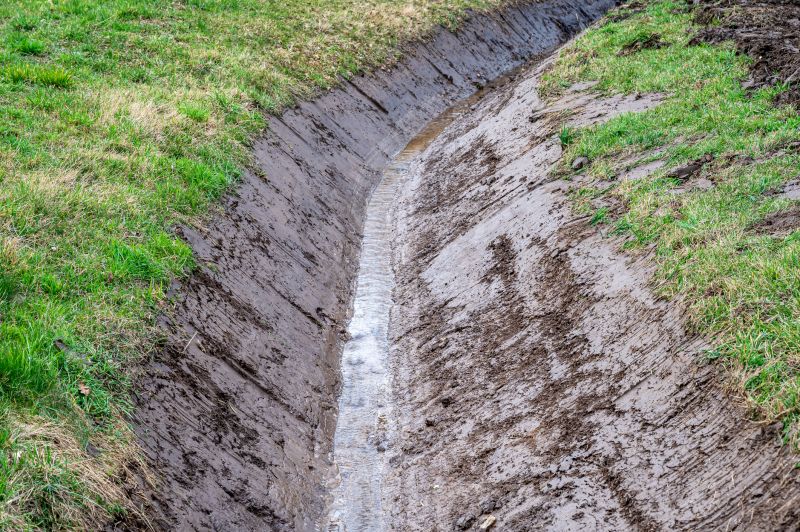
Ditch Installation in Atlanta, GA
Ditch installation services involve creating a designated channel or trench in the ground to redirect water flow away from structures, prevent flooding, or improve drainage around a property. These projects typically include installing new drainage ditches for yards, gardens, or commercial landscapes, as well as upgrading or replacing existing ditches to enhance water management. Homeowners considering ditch installation should understand the importance of proper grading, the type of soil, and how the ditch will integrate with existing drainage systems to ensure effective water diversion.
Before requesting ditch installation, property owners often want to know about the scope of the project, including the size and location of the ditch, materials used, and any necessary permits or approvals. It’s also helpful to consider the potential impact on landscaping, nearby structures, and property drainage patterns. Clear communication about these factors can help ensure the project meets the specific water management needs of the property.
Many property owners in Atlanta, GA look into Ditch Installation for repairs, replacements, upgrades, and appearance-related improvements.
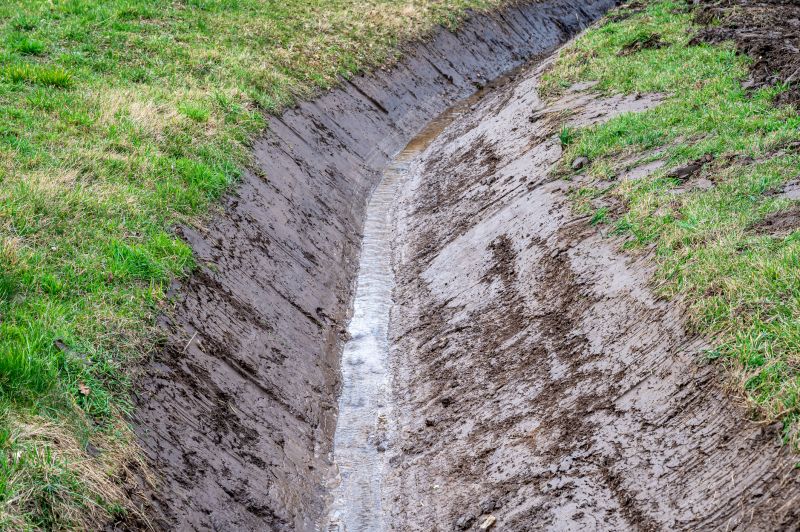
Drainage Solutions
Proper ditch installation helps manage water flow and prevent flooding on residential properties.
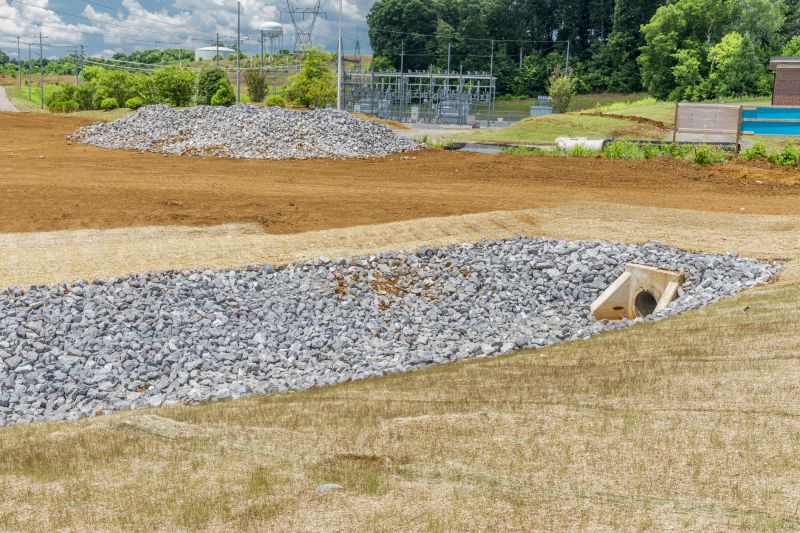
Erosion Control
Ditches can be designed to reduce soil erosion and protect landscaping in atlanta-area homes.
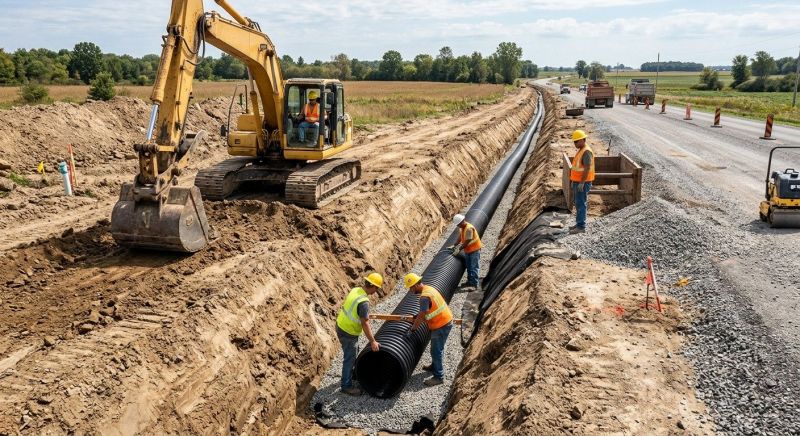
Property Drainage Planning
Custom ditch systems are often part of comprehensive drainage plans for maintaining yard integrity.
Ditch Installation in Atlanta, GA

Ditch installation services involve creating a designated channel or trench in the ground to redirect water flow away from structures, prevent flooding, or improve drainage around a property. These projects typically include installing new drainage ditches for yards, gardens, or commercial landscapes, as well as upgrading or replacing existing ditches to enhance water management. Homeowners considering ditch installation should understand the importance of proper grading, the type of soil, and how the ditch will integrate with existing drainage systems to ensure effective water diversion.
Before requesting ditch installation, property owners often want to know about the scope of the project, including the size and location of the ditch, materials used, and any necessary permits or approvals. It’s also helpful to consider the potential impact on landscaping, nearby structures, and property drainage patterns. Clear communication about these factors can help ensure the project meets the specific water management needs of the property.
Many property owners in Atlanta, GA look into Ditch Installation for repairs, replacements, upgrades, and appearance-related improvements.
Common Ditch Installation Jobs
Drainage Ditch Installation - helps manage water flow and prevent flooding around the property.
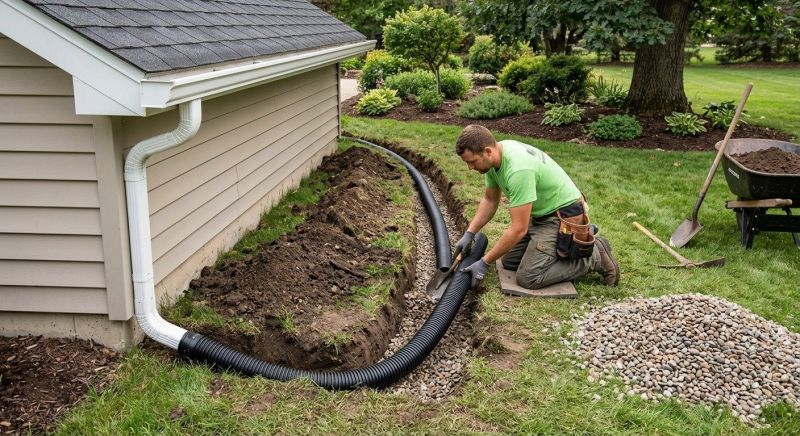
French Drain Installation - directs excess water away from foundations and basement areas.
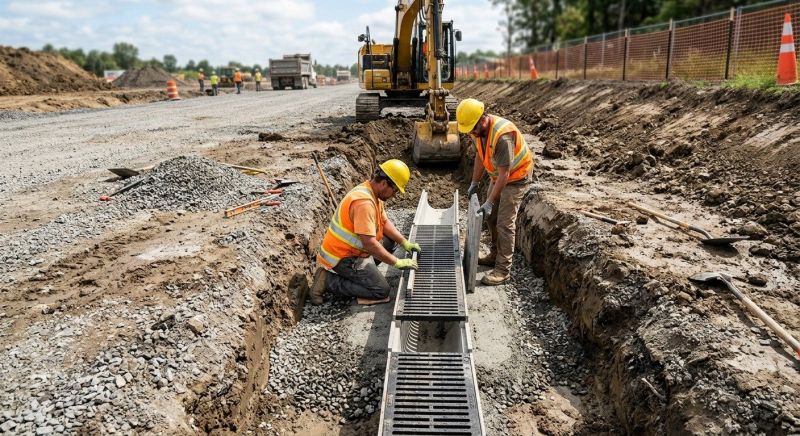
Surface Ditch Construction - provides effective runoff channels for yards and landscaped areas.
Swale Installation - reduces erosion and controls stormwater on sloped properties.
Dry Creek Bed Creation - enhances landscape drainage while adding aesthetic appeal.
Custom Ditch Solutions - tailored to fit specific property layouts and water management needs.
Ditch Installation Questions
What is the purpose of a ditch installation? Ditch installation helps manage water runoff, prevent erosion, and improve drainage around a property.
What types of projects typically require ditch installation? Projects such as yard grading, driveway drainage, and landscape improvements often need ditch installation.
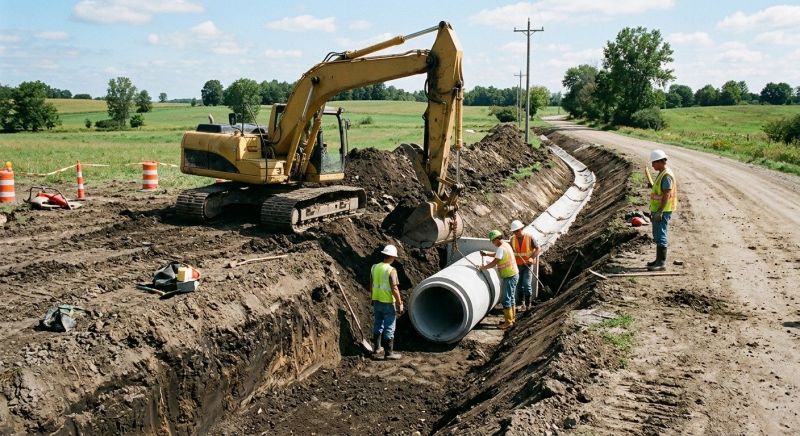
What materials are used for ditch construction? Common materials include soil, gravel, and sometimes concrete or plastic piping for enhanced drainage.
Is ditch installation suitable for residential properties? Yes, it is often used to improve drainage and protect foundations on residential properties.
Request Ditch Installation in Atlanta, GA
Use the quote form on this page to share the basics of your project and request more information for the type of work you need.